 X (Twitter)


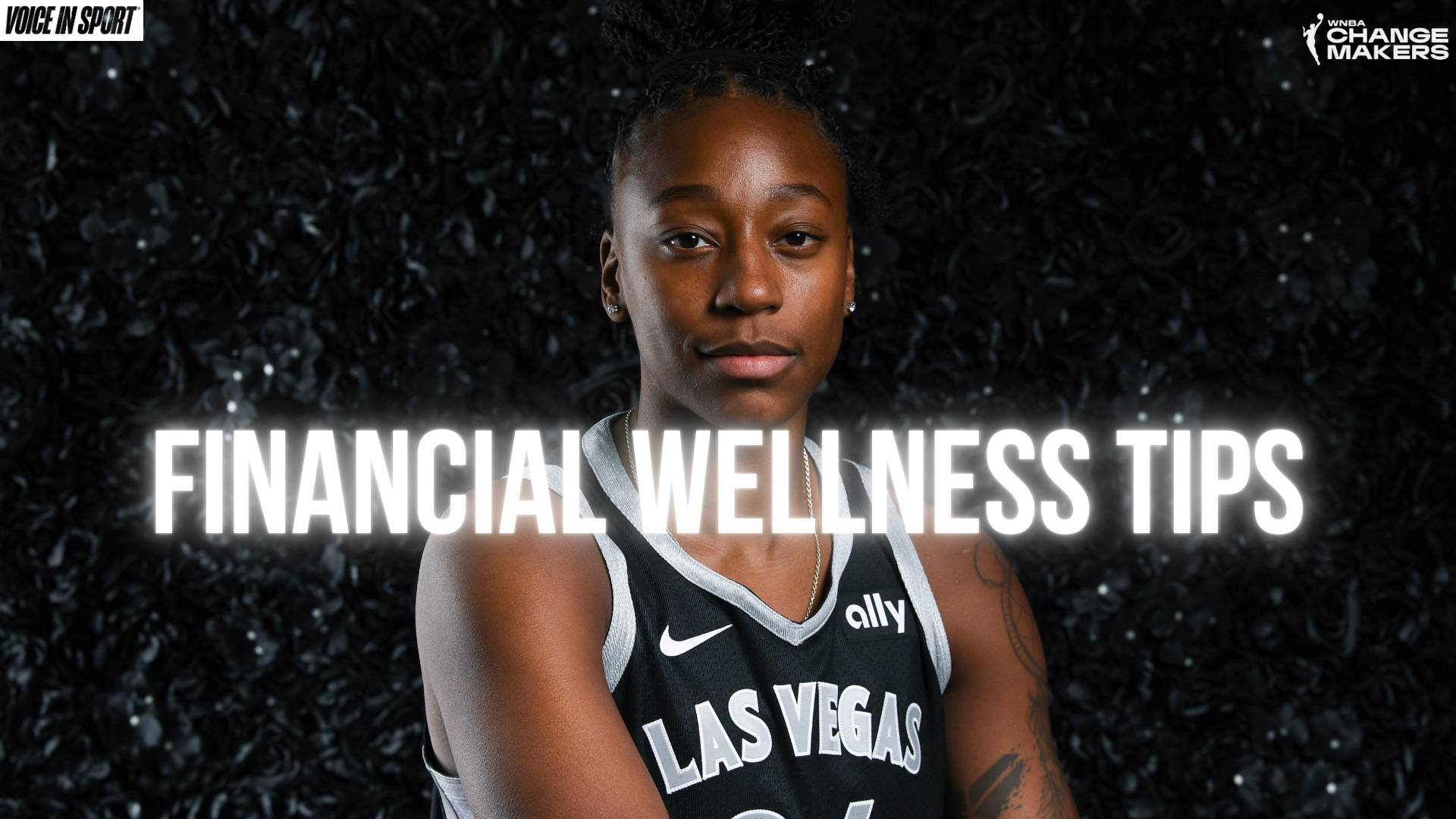
Student loans, tuition, NIL money, summer jobs—there’s a lot to juggle when it comes to our finances as women athletes. With concerns like rent, tuition, and the grocery bill on our minds, how can we spare any time to learn about investing?
We get it. It’s a lot to ask. That’s why VIS asked for you.
VIS Mentor, WNBA guard, and Olympian Jewell Loyd is known as a star on the court. But did you know she’s also a financial guru?
Loyd founded Loyd and Co. to bridge the wealth gap and increase financial literacy. Through Loyd and Co., Loyd builds connections, teaches people how to build generational wealth, and makes the world of finances more accessible.
Loyd prioritizes advocacy. She uses Loyd and Co. to work with minority populations most affected by the wealth gap—but that doesn’t mean her knowledge can’t help everyone. She wants us all to feel confident in our financial journeys.
Here are Loyd’s 10 Tips for managing finances as modern women athletes.
#1: Educate Yourself
To be financially successful, we need to understand finances and investment. And—more importantly—we need to understand that financial literacy is for everyone, not just the group at the top.
“The more you understand and break it down, the more you understand that the world of finance is not just for one group of people, it’s for everybody,” Loyd says.
We can get started with free resources online like YouTube videos and budget and investment planning templates
#2: Find Mentors
At VIS, we believe in the invaluable role of mentors—both in life and in sport.
“Having a mentor helps you grow, stay on track, and build a support system around you. Sometimes the things you learn are not always found in a book. It takes life experiences and that’s the best way I learn and grow” Loyd says.
Your mentors in finance can be family members, peers, or teammates. No matter who your mentors are, be curious. Ask questions and take notes of the lessons they have learned.
#3: Start Small
We don’t need millions of dollars to hone our finances. Small, consistent decisions with any amount of money will result in long-term financial growth. Our decisions and habits can help us save money, maximize our money, and build our wealth.
“A lot of times when speaking on finance, I hear people talking about getting or growing their money—I rarely hear about how to save it, maximize it, or build off of it,” Loyd tells us.
#4: Set Short-Term and Long-Term Goals
Financial investments and growing our wealth takes a long time, which can make it hard to stay committed to the process. Even as athletes who are used to the long game, long-term goals can begin to feel like a drag. Set short-term, incremental goals to stay focused. For example, if your long-term goal is to buy a home in ten years, a short term goal could be to save $5 from your next paycheck.
#5: Budget and Establish a Safety Net
Budgeting is essential for long-term savings and investment. Loyd also advises us to allocate some money to a safety fund. When emergencies and unexpected costs hit, having a safety fund means we won’t need to cut down on short-term spending or pull from our savings.
“A lot of times when speaking on finance, I hear people talking about getting or growing their money—I rarely hear about how to save it, maximize it, or build off of it.”
#6: Understand the Value of Big Investments
Big investments are daunting. It takes time and commitment to make a purchase like Loyd’s first investment—a condo—but the outcome makes it worth it. Investments like these are key to building wealth that lasts.
“Buying land is something that goes a long way once you either have to pass it down in the family or sell it at market value,” Loyd says. With investments like these, we’re planning for our future.
#7: Learn from Your Mistakes
Mistakes happen in finances just like they happen in sport. And just like mistakes in sport, we can learn from the mistakes we make in finances.
“With anything you do in life, you’re going to make mistakes,” Loyd reminds us. We can use these errors as opportunities for growth. When Loyd first started her career, she made mistakes too—she didn’t fully understand contracts, the stock market, or financial growth. But instead of focusing on her mistakes, she learned from them and educated herself on how to navigate those areas.
#8: Stay Patient
When it comes to our finances, we need to prioritize long-term gains over instant gratification. It may be tempting to immediately spend the money we make, but saving and investing allows us to buy more sustainable things in the future.
Understanding finance and investments is hard. It takes time. But don’t let that discourage you—it’s completely normal. “The longer you are patient with yourself and allow your money to work for you, it can,” Loyd says.
“Something I'm really passionate about is understanding that we can do more than just help ourselves. We can help the people around us, help communities, and really affect change.”
#9: Ask for Help When You Need It
Even professional athletes need help. When Loyd bought her first home, she needed guidance through the lending approval process. During this process, she found that a lot of people around her were willing to help. Loyd encourages us all to ask people for help when we need it, especially when taking out loans and making big investments.
#10: Give Back
As women athletes, we know the importance of community and lifting one another up.
When Loyd received her first paycheck, she not only invested and saved—she also made sure to give back to the people and community who helped her. Loyd also gives back by increasing financial literacy through her work with Loyd and Co. and VOICEINSPORT.
“Something I'm really passionate about is understanding that we can do more than just help ourselves. We can help the people around us, help communities, and really affect change. To open up financial knowledge to not just one group of people allows people to pass that knowledge down for generations,” Loyd says. We can each find our own ways to give back in our financial and athletic journeys.
The world of finance is not limited to men or adults with full-time jobs. It’s for everyone.By understanding it, we can maximize our financial growth. No matter how much money we have, now is the time to increase our financial knowledge and invest in ourselves.
You can learn more about financial literacy by scheduling a 1:1 session with Jewell Loyd or attending a group session at VOICEINSPORT.
