 X (Twitter)



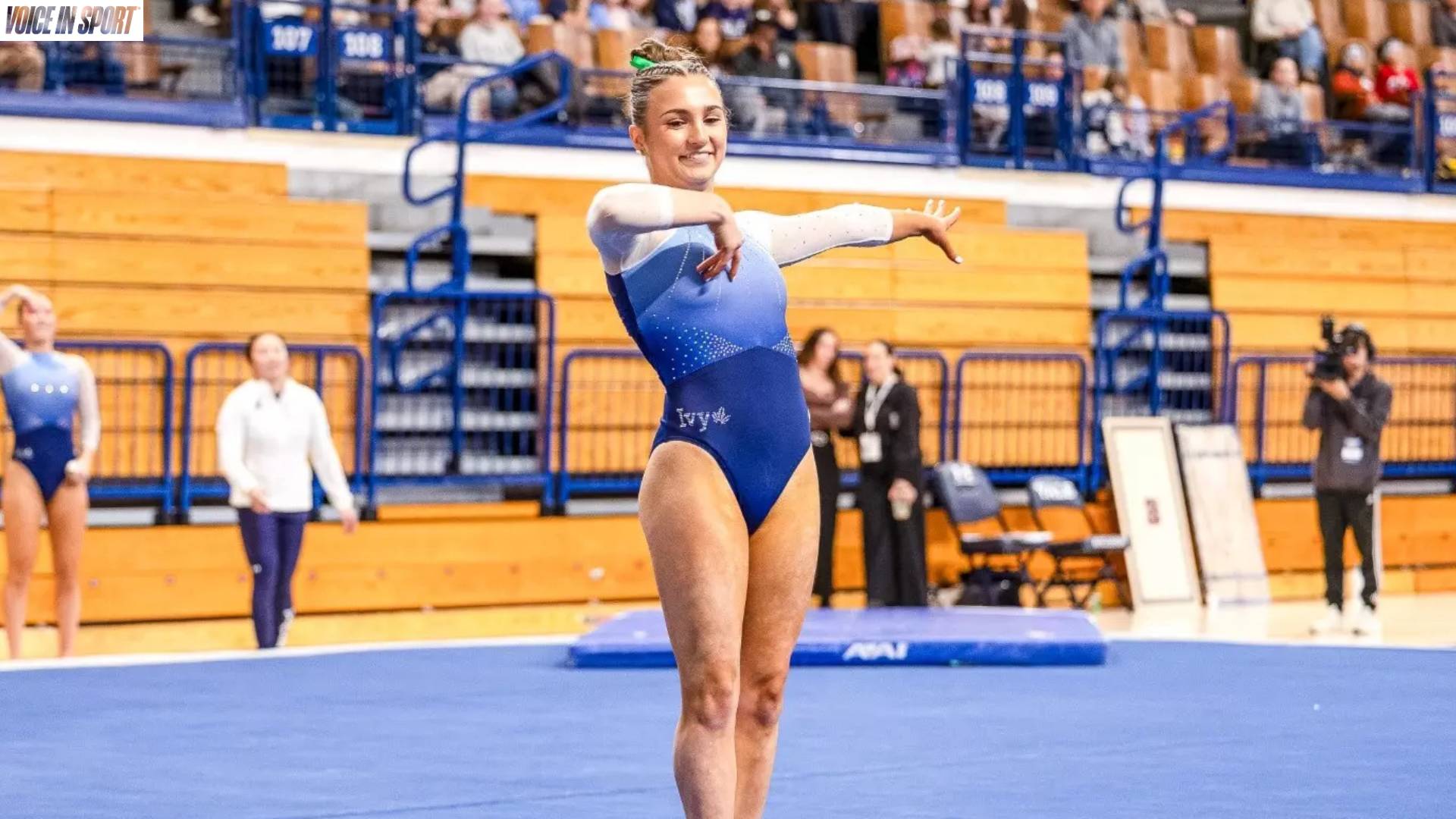
In college gymnastics, preparation is everything. Athletes train and rehearse for months in advance. Unlike typical team sports, competition routines rely heavily on individual athletes. Lineups are repetitively rehearsed and the smallest misstep can happen at any moment.
But sometimes, the most carefully constructed routines are disrupted by forces completely outside an athlete’s control.
Weather is one of these forces.
The Yale–UNH women’s gymnastics meet, originally scheduled for January 25, was postponed due to snowy winter conditions and moved to January 27. On paper, the change may seem minor. In reality, rescheduling forces athletes to adjust nearly every part of their competitive routine. And most notably, it knocks them off their mental game.
With NCAA Gymnastics season starting in January, the pressure for gymnasts to perform and make a name for themselves is stronger now than ever. Postponed meets lead to less time to practice and make changes to routines for future meets, potentially decreasing recovery time in between competitions as well. Carefully planned schedules must quickly be adjusted and gymnasts are simply expected to comply, despite balancing packed academic calendars with practice and competition schedules.
The bottom line is that a postponed meet means athletes need to adapt, and they need to do it quickly.
Adaptability in Gymnastics
Adaptability is one of the most underrated skills in collegiate gymnastics.
In a 2024 interview, VIS Mentor Kayla DiCello spoke on the importance of regularly competing, stating that in preparation for the Olympics she was “just learning how to take a step back whenever I get frustrated and make the next turn count and not get so worked up.”
Although the start of competition season in January is an exciting time of the year, rescheduled meets lead to anxiety, frustration, and uncertainty. Snowstorms can even further postpone meets based on their intensity, holding gymnasts in a stressful limbo. These weather delays rarely make headlines, but the adaptability required for gymnasts to navigate them is significant.
Unlike sports with longer competitions or more frequent games, gymnastics offers limited opportunities to compete. Each meet is critical. When timing changes, athletes can’t simply “try again tomorrow.” They have to re-center quickly and perform when the moment finally arrives.
Physically, additional practices can lead athletes to put unnecessary strain on their bodies. What might seem like a benefit of added practice time can lead to injury due to overuse. Gymnasts are constantly pulled between the desire to do better and the need to preserve their bodies for long-lasting athleticism.
Gymnastics relies on mental strength and complete focus.
Have you ever wondered why judges call for complete quiet when top gymnasts compete? It’s because the high level of focus required to execute difficult moves can be thrown off in an instant by so much as a cough. NCAA Gymnasts are developing more than just their physical skills when they compete; they’re also building their mental stamina. So that nothing, not even 17 inches of snow, can knock them off their game.
The rescheduled Yale–UNH meet serves as a reminder that some of the most important skills athletes develop are invisible. Flexibility. Mental resilience. Patience. These are the qualities that carry teams through disrupted plans and into the heart of the season.
