 X (Twitter)



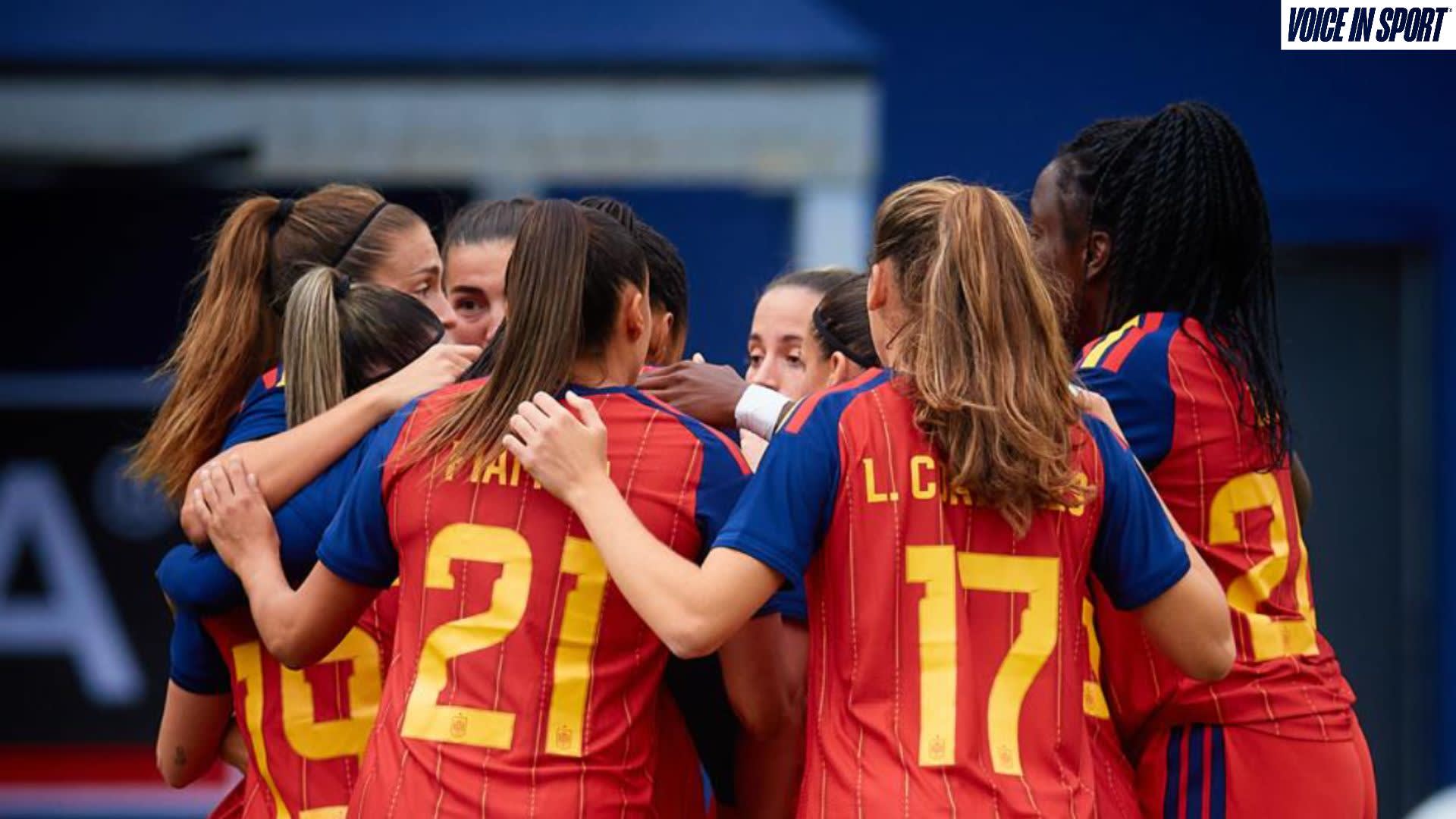
From back-to-back UEFA Women’s Nations League titles to youth World Cup success, Spain’s winning formula goes beyond individual brilliance. It starts with a football culture built around the collective.
Spain did not need to win both games against the United States to make a statement. After beating the USWNT 2-0 in the first meeting, Spain drew 2-2 in the rematch on October 13, surrendering a two-goal lead but showing why they remain one of the most difficult teams in the world to contain. Alexia Putellas scored once and assisted Salma Paralluelo’s goal, reaching her 150th international appearance in the process. The United States rallied through Ashley Sanchez and Mallory Swanson to earn the draw.
The results offered a snapshot of two teams at different stages of building their identities. The United States has an extraordinary pool of talent and the depth to test different combinations. Spain, meanwhile, has spent years turning technical quality into a recognizable collective style; one that travels from youth teams to the senior squad.
Talent can win moments but chemistry can shape an entire match.
La Masia: More Than a Football Academy
To understand Spain’s influence on the women’s game, look at La Masia, Barcelona’s famed youth academy. Its reputation extends beyond producing gifted players. The academy is known for teaching footballers to read space, anticipate movement, make decisions under pressure and understand how their individual roles connect to the wider team.
La Masia did not create Spain’s entire football identity, and Spain’s success cannot be credited to one academy, but Barcelona’s development philosophy has helped shape a generation of players. Those who are comfortable in tight spaces, combining through short passes and moving before the next pass arrives.
Putellas is one of the clearest examples of that influence. Alongside players such as Aitana Bonmati, she represents a style in which technical ability is only the starting point. The next step is knowing when to accelerate an attack, hold possession and how to manipulate an opponent’s shape.
This is what makes Spain’s football so demanding to defend. Players are not simply passing to whoever is open. They are anticipating where a teammate will move, how a defender will react, and which space will become available next. When those decisions become instinctive, a team can look connected even when the opposition changes their press or formation.
Alexia Putellas: The Blueprint for a Complete Midfielder
Putellas is more than a symbol of Spanish success. She is a midfielder who can influence every phase of an attack.
Whether it's dictating tempo from deeper positions, finding runners between the lines or arriving in dangerous areas and finishing chances herself, her ability to recognize pressure often helps Spain escape situations that appear to have no easy solution.
Her performance against the United States demonstrated that range. Putellas opened the scoring in the 27th minute before setting up Paralluelo five minutes later. She was finishing moves while also helping Spain establish control, and then turning that control into goals.
Reaching 150 caps also marked a significant milestone. Spain head coach Sonia Bermudez described Putellas as “an inspiration for all players, especially the younger ones,” highlighting the importance of her longevity as well as her ability.
For Putellas, greatness is not just about individual accolades. It is about raising the level of the team around her. As she explained after joining London City Lionesses in August 2026, “I’m hungry to win, to be better day after day, to fight with my teammates for the victory.”
That mentality captures what makes her such a compelling blueprint for young midfielders: ambition paired with a commitment to the collective.
For young players, the lesson is not to become the next Putellas by copying her every movement. It is to study how she sees the pitch. Technical skill matters, but so does scanning before receiving, recognizing pressure early, understanding when to take risks, and making decisions that benefit the team. Those habits turn a talented midfielder into a complete one.
“I’m hungry to win, to be better day after day, to fight with my teammates for the victory. ”
Spain’s Success Starts Before the Senior Team
Spain’s dominance is not confined to its senior side. In September 2026, Spain’s under-20 team won the FIFA U-20 Women’s World Cup, adding another major achievement to a development pathway that has repeatedly produced players capable of competing on the biggest stages.
The team’s own words offer a useful explanation. During the tournament, captain Noe Bejarano said the group had been taught that “these tournaments of such a high level are not won by one player, but by a team.”
That mindset echoes the senior team’s approach. Spain’s success is not a conveyor belt of technically gifted players; it is a culture that asks players to put their ability at the service of the collective. Youth international football gives those players experience of high-pressure tournaments, different opponents and the demands of working together across multiple matches.
Spain’s beach soccer team offered another example in October, beating Brazil 5-4 to win the Mundialito for the third time. The senior women’s national team has also won the 2023 FIFA Women’s World Cup and consecutive UEFA Women’s Nations League titles in 2024 and 2025. These are different formats, with different demands, so they should not be treated as one identical achievement. Together, however, they underline the breadth of Spain’s investment in women’s football.
The USWNT Has The Depth. Can It Build The Chemistry?
The United States has no shortage of talent, and squad rotation can create competition and prepare players for major tournaments. But depth only becomes an advantage when players can make it work together on the pitch.
Ahead of the Spain series, USWNT midfielder Lindsey Heaps acknowledged that the team had not been together for some time. Emma Hayes also made four changes to her starting lineup for the second match, highlighting the challenge of building cohesion across a changing squad.
Rotation is not the problem in itself. The challenge is making sure players share the same understanding of when to press, where to move and how to support one another. The USWNT’s comeback to draw 2-2 showed its resilience, while Spain’s two-goal lead demonstrated how quickly a connected team can turn possession into danger.
Spain rotates, too. The difference is building shared principles that survive those changes. For the United States, the next step is turning individual quality into collective chemistry.
The Real Secret Is Connection
Spain’s dominance reflects years of development, from La Masia’s influence to the success of its senior and youth teams. Putellas embodies that culture, combining individual brilliance with an understanding of how to make her teammates better.
For young athletes, the lesson is simple: talent matters, but connection makes it stronger. Read the game, communicate early and adapt for the team. The United States has the depth to challenge Spain; turning that depth into chemistry could make the difference.
