 X (Twitter)



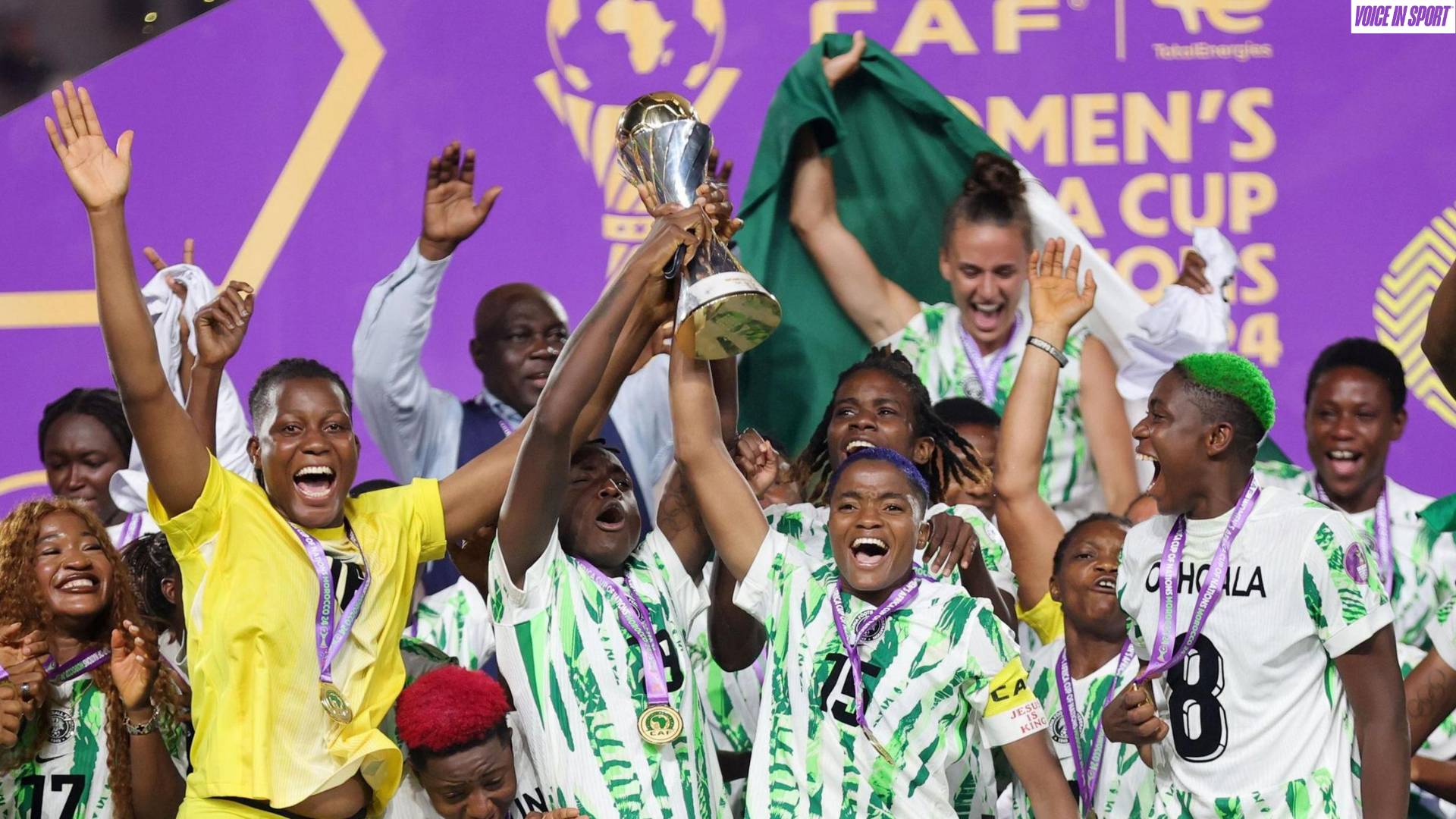
For a few weeks this summer, WAFCON put African women’s football in the spotlight.
The 2026 Women’s Africa Cup of Nations gave us a tournament debutant reaching the final, a first-time champion in Cameroon and a collection of players who deserve to be household names far beyond their national teams. Malawi went from appearing at WAFCON for the first time to qualifying for the 2027 FIFA Women’s World Cup.
Cameroon finally lifted the trophy after reaching five previous finals. Goalkeepers made saves that changed entire matches, forwards turned into breakout stars and established names like the Chawingas reminded everyone why they were already playing at the highest level.
The bigger question is what happens now that the tournament has ended.
Does the attention follow the players as they return to their respective clubs, or do we wait until the next major tournament to rediscover them?
For women’s sport, that cycle is familiar. A major competition creates a burst of coverage with new fans learning new names and social media filling up with highlights. Then the tournament ends and much of that visibility disappears with it.
WAFCON gives us a chance to do something different. Instead of treating the tournament as the end of the story, we can use it as an introduction.
Here are five players worth continuing to watch.
Temwa Chawinga
Temwa Chawinga did not need WAFCON to prove herself. The Malawi forward had already established herself as one of the biggest stars in the NWSL, winning the 2024 MVP award and setting the league’s single-season scoring record. She entered WAFCON with an international reputation, but playing for Malawi gave a much wider audience a chance to understand where that journey came from.
Her story also puts Malawi’s success into context. In 2025, Chawinga told The Guardian that Malawi had “so much talent” but that finances and sponsorships remained major barriers to developing it.
That tension was visible throughout WAFCON.
Malawi had players capable of competing with the best teams on the continent, yet the infrastructure around those players does not always match their talent. Fleetwood Haiya, president of the Football Association of Malawi, told Reuters that the country has “serious infrastructure issues” and that the girls and boys coming through the system lack the resources and facilities to fully showcase their abilities.
Chawinga can return to an established professional environment in Kansas City. The question is whether the attention her national team generated can also help strengthen the environment for the players still at home.
Tabitha Chawinga
Temwa’s story is also inseparable from her sister, Tabitha.
Long before Temwa became an NWSL MVP, Tabitha was creating a pathway of her own. She became the first Malawian woman to play professionally in Europe and went on to play for some of the biggest clubs in the women’s game.
Her career demonstrates what sustained opportunity can do. It also shows how difficult it is to find.
Tabitha has spoken openly about her parents initially wanting her to focus on school instead of football, and she continued playing despite that resistance. Her professional career eventually took her from Malawi to Europe and onto the international stage.
Now she and Temwa have helped take Malawi to a World Cup for the first time.
That achievement did not come from one tournament or one investment. It came from years of players, coaches, families, federations and sponsors creating enough opportunities for talent to keep moving forward.
There are signs that Malawi is trying to build that foundation. The Football Association of Malawi launched a women’s football strategy focused on grassroots development, talent identification, and pathways to the elite level. The association has also secured sponsorship for its women’s league.
Those investments are important because they are less visible than a WAFCON final.
They are also the investments that determine whether the next generation gets to have a WAFCON story of their own.
Esther Okoronkwo
The Nigerian forward has built a career across three continents, but her move to AFC Toronto last year gave her a new club platform in Canada’s Northern Super League. In her first season, she recorded eight goals and 11 assists as Toronto finished top of the regular season standings and reached the championship final. The club later extended her contract through 2027.
That makes Okoronkwo a strong example of what sustained visibility can look like. WAFCON may have introduced her to new fans but AFC Toronto gives them somewhere to keep watching.
Her story also shows why athletes need to be seen beyond their biggest moments. Okoronkwo missed two months of the NSL 2026 season with a meniscus and hamstring injury before returning ahead of WAFCON, navigating the recovery and demands of club football before stepping back onto the international stage.
That is the cycle women’s football needs more of. A major tournament should introduce us to athletes, not make them disappear once it’s over. Clubs, leagues, media and even the fans all have a role in keeping that cycle going.
Chiamaka Nnadozie
Nigeria’s goalkeeper was one of the players who publicly voiced frustration when CAF postponed the tournament from its original March-April window to July-August. In an interview with The Guardian, Nnadozie said, “We, the players, are not happy about it,” explaining that players had already left their clubs and families had made travel plans.
Her comments highlight another part of visibility that often gets missed.
It is not enough for athletes to be visible when we want to watch them compete. They should also be heard when decisions affect their careers.
Nnadozie has since returned to club football with Brighton after helping Nigeria navigate another major international tournament. Her career is a good example of how WAFCON fits into an athlete’s larger professional journey rather than existing separately from it.
The players are not simply national team representatives who appear every few years. They are professionals managing club commitments, travel, recovery, performance and the demands of international football.
Their voices should be part of those conversations.
Ngah Manga
Marie Gisele Ngah Manga was one of the clearest examples of how quickly a major tournament can change an athlete’s visibility.
The 23-year-old Galatasaray forward opened Cameroon’s WAFCON campaign with a brace against Mali, scoring both goals in a 2-1 victory. Her first came after she controlled a lofted pass with her chest before calmly finishing, while her second was from the penalty spot after she was brought down in the box.
By the time Cameroon lifted the trophy, Ngah Manga had become one of the faces of the team’s historic run. After her opening-game brace, she credited her teammates and the supporters behind the team. “These goals are for my teammates and all the Cameroonians who are behind us and supporting us,” she said.
A breakout performance is often treated as the destination. But for the athlete, it’s just one part of a much longer career. Ngah Manga was already a professional player before WAFCON. The tournament simply gave people a chance to see her talent on the big stage.
That’s the distinction that matters when we talk about visibility in women’s sport. The goal shouldn't be to discover players like Ngah Manga every four years when WAFCON comes around. It should be to make it easier for fans to follow her club career, for players to find her story and for the football ecosystem around her to keep developing.
WAFCON may be over but supporting African women’s football shouldn't end with the final whistle. Follow players at club level, watch domestic leagues when matches are available, share their stories and show up when you can. Even small actions like buying a ticket, purchasing a jersey, watching a match stream or engaging with a team’s content signal that there is an audience for the women’s game.
Keep discovering players beyond the biggest names. WAFCON may have introduced us to stars like Temwa and Tabitha Chawinga, Barbra Banda, Chiamaka Nnadozie and Ngah Manga but hundreds more deserve that same attention. The harder we show up for women’s football, the harder it becomes for the sport to be treated like a once a tournament story.
