 X (Twitter)


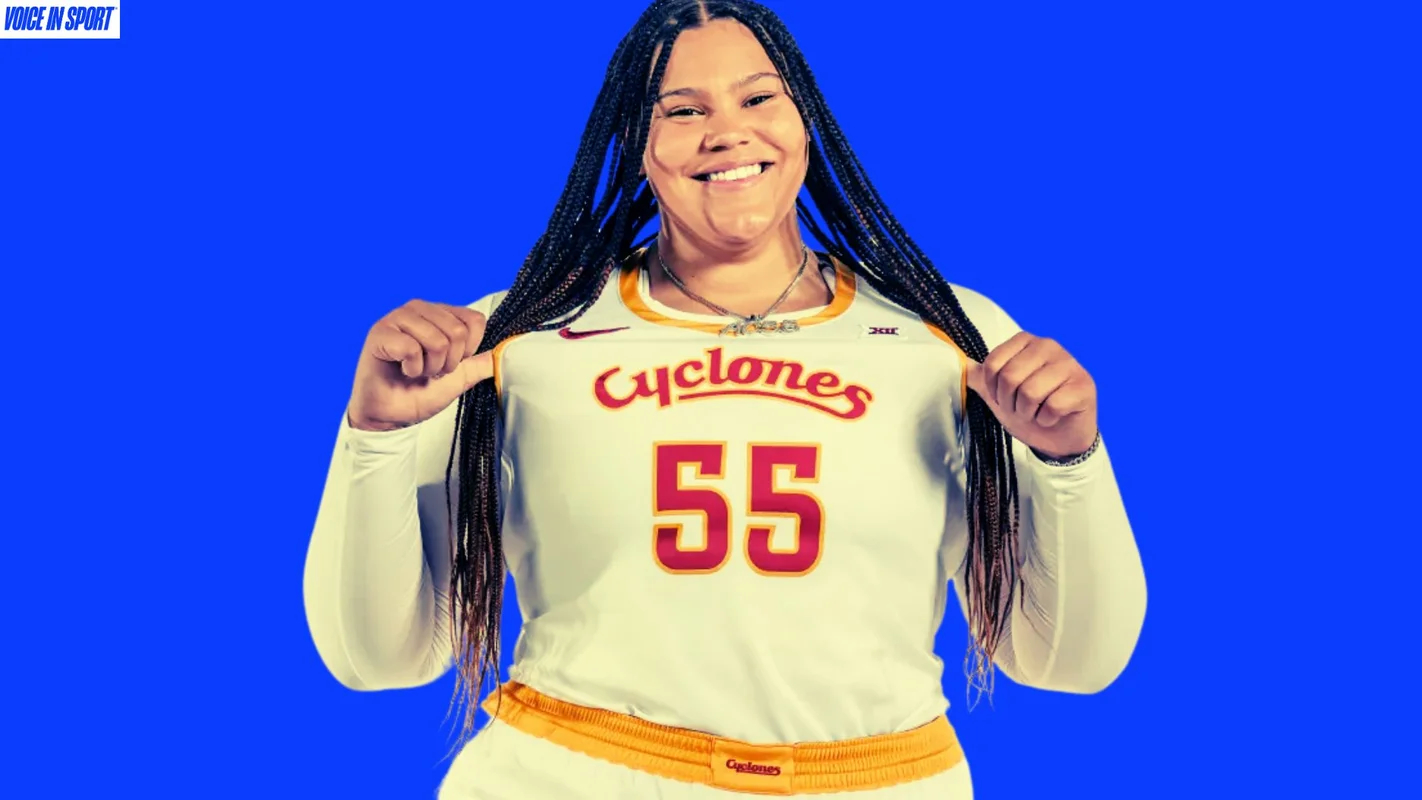
2,000 career points. A milestone athletes think about beyond their college years. A stat that proves dominance and long-term commitment.
Iowa State’s Audi Crooks just hit that mark. That should be the biggest news about her right now. And yet, her accomplishments are overshadowed by comments about her body.
In an era where athletes build a brand on social media, the image of an “athlete” often replaces the performance of an athlete. In this world, Crooks’ milestone brought unwanted attention and undeserved hate.
Athlete VISibility is a part of how the sports world operates—and that visibility means more opportunities for criticism. When Crooks reached this huge milestone, she received scrutiny instead of recognition.
Image is important for collegiate athletes, especially in today’s NIL culture. Body image specifically is tied to sports culture, as people look at a person’s physical build in a competitive atmosphere. For Crooks, this means that the comments she has gotten throughout her career focus on her body, not her game.
“There might be 100 comments about my body or about how I look. But then there are 1,000 about my skill set, about my character, about how I smile and about how I treat other people,” Crooks told On3 Sports.
Social media has amplified these dynamics. The platforms that provide a connection between athletes and fan bases, but these connections aren’t monitored. This makes social media cyberbullying through comment sections or direct messages easily accessible.
“There might be 100 comments about my body or about how I look. But then there are 1,000 about my skill set, about my character, about how I smile and about how I treat other people.”
And when these hate comments reach the athletes, it can follow them beyond the final buzzer.
Hate comments and negative criticism are linked to increased anxiety, stress, and emotional exhaustion for athletes.
The rise of NIL makes this hate more visible. The increased exposure in the media caused by brand deals and social media presence also increases athlete exposure to harassment.
A moment like Crooks’ milestone 2000th point should be about her hard work. Instead, it shed light on how far the sports community still has to go in conversations around body image.
Crooks will continue to evolve and dominate in her college years. Now, the culture around her needs to evolve alongside the game—to build a supportive environment where players can advocate for themselves, bring positivity, and be recognized for their actions, not their bodies.
